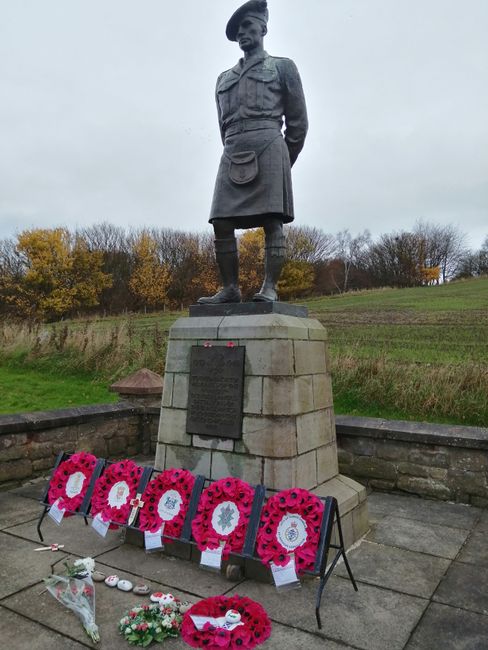
Harrow Council rules for roadside flowers and tributes explained
Posted on 17/09/2026
Harrow Council Rules for Roadside Flowers and Tributes Explained
Leaving flowers or a small tribute at the roadside can feel like the most natural thing in the world after a crash, a sudden death, or a deeply upsetting event. It is a quiet gesture, and sometimes the only way people feel able to say, "we remember." But in Harrow, as in many London boroughs, there are practical and safety rules that can shape what is allowed, where it can be placed, and how long it should stay. If you have been looking for Harrow Council rules for roadside flowers and tributes explained, this guide walks you through the basics in plain English.
The short version? A roadside tribute may be tolerated for a time, but it should never create danger, block visibility, or interfere with the highway, pavements, or maintenance. Truth be told, that balance between grief and public safety is where most of the confusion sits. Below, you will find a clear, respectful breakdown of how these memorials are usually handled, what to avoid, and how to make thoughtful decisions if you are planning to place flowers, notes, candles, or other tributes.
We will also cover common mistakes, practical steps, and the kind of judgement call that matters in real life. Because when emotions are running high, it helps to have something steady to lean on.
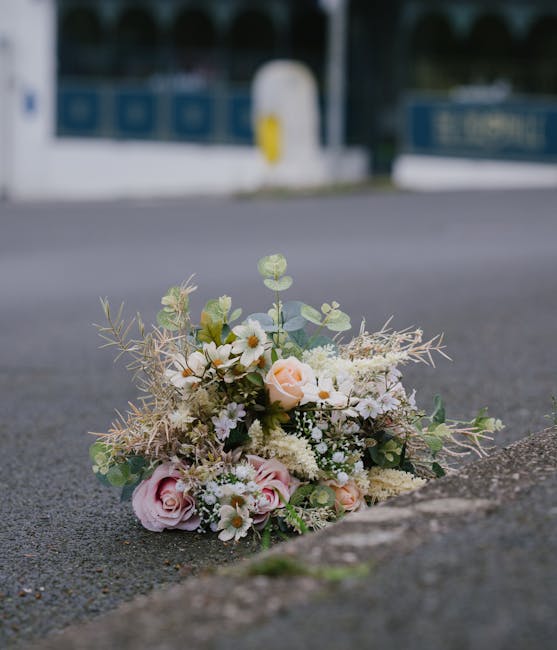
Table of Contents
- Why Harrow Council rules for roadside flowers and tributes explained Matters
- How Harrow Council rules for roadside flowers and tributes explained Works
- Key Benefits and Practical Advantages
- Who This Is For and When It Makes Sense
- Step-by-Step Guidance
- Expert Tips for Better Results
- Common Mistakes to Avoid
- Tools, Resources and Recommendations
- Law, Compliance, Standards, or Best Practice
- Options, Methods, or Comparison Table
- Case Study or Real-World Example
- Practical Checklist
- Conclusion
- Frequently Asked Questions
Why Harrow Council rules for roadside flowers and tributes explained Matters
Roadside tributes are emotionally powerful, but they sit in a public space. That means they are not just personal expressions of grief; they also become part of the road environment. In Harrow, that matters because highways need to remain safe, visible, and accessible for drivers, pedestrians, cyclists, emergency services, and maintenance teams.
A small cluster of flowers at the base of a lamp post might seem harmless. And often, for a short period, it is. But if the tribute spreads, fades, sheds petals, or includes glass, candles, or loose items, it can quickly become a hazard. Wet pavement, traffic vibration, wind, and passing feet all change how that memorial behaves. If you have ever seen flowers crushed into the kerb after a rainy night, you will know it can turn messy rather quickly.
There is also a community consideration. Harrow is a busy borough, and public spaces are shared spaces. A roadside tribute can be deeply meaningful for one family and still cause inconvenience or risk for others if it is placed badly. So the rules are not there to be cold or dismissive. They exist to keep the tribute respectful while reducing the chance of harm.
Practical takeaway: In Harrow, roadside flowers and memorial items are best treated as temporary, carefully placed tributes that should never obstruct sightlines, footpaths, or routine highway work.
That is really the heart of it. Respect, but with boundaries. Sensitivity, but not at the cost of safety.
How Harrow Council rules for roadside flowers and tributes explained Works
Although details can vary depending on the exact location and circumstances, roadside tributes are usually managed through a common-sense approach. The council will generally look at whether the items are safe, whether they are on or near highway land, and whether they could interfere with traffic flow, visibility, litter collection, or road maintenance.
In practical terms, this often means a few things:
- Flowers are more likely to be tolerated than hard objects or lit candles.
- Tributes placed in a dangerous position may be removed.
- Items that could blow into the road, break, or attract wildlife may be treated as a risk.
- Large memorial displays are more likely to need permission or an alternative location.
The phrase "roadside tribute" can cover a lot: bouquets, ribbons, handwritten notes, soft toys, photos, candle holders, and even larger personalised items. Not all of those carry the same level of risk. A bunch of flowers tucked safely away from the carriageway is one thing. A glass lantern on a narrow verge by a fast-moving road is another. Let's face it, councils tend to take the second one much more seriously.
Another part of how it works is timing. A fresh tribute is usually seen differently from one that has been left for weeks and is now fading, damp, or broken apart. Once a memorial starts to look neglected, it can become a litter issue rather than a tribute. That sounds blunt, but it is how public-space management works.
If the tribute is in a sensitive location, such as near a junction, crossing, roundabout, or busy pavement, extra caution is wise. Even a small arrangement can distract drivers for just long enough to matter. The roadside is not the same as a cemetery plot or a private garden. Different setting, different rules.
For readers wanting to arrange floral tributes with dignity, it can help to think about funeral flowers and tribute designs that are suitable for a memorial setting rather than a decorative one. You may also want to consider softer arrangements such as sympathy flowers, which are typically calmer in tone and easier to place respectfully.
And if you are not sure what style suits the situation, a florist with local experience can often guide you toward a more appropriate option. A little judgement here saves a lot of awkwardness later.
Key Benefits and Practical Advantages
Understanding the rules is not just about avoiding a telling-off. It makes the whole process kinder, calmer, and more useful. When a roadside memorial is done properly, it can serve its purpose without creating fresh problems.
1. It keeps the tribute respectful
Flowers chosen with care and placed thoughtfully show intention. They look like what they are: a meaningful gesture rather than an afterthought dumped on the verge.
2. It reduces the chance of removal
When a tribute is safe and tidy, it is less likely to be taken away during cleaning, verge maintenance, or safety checks. That alone can be a huge relief for families.
3. It protects everyone using the road
A tribute that does not block sightlines or spill into the carriageway helps protect drivers, cyclists, and pedestrians. It also makes life easier for the people who maintain the road, which is one of those details that often gets forgotten.
4. It makes decisions easier in a difficult moment
Grief is exhausting. Clear boundaries can actually help. You do not have to debate every tiny choice if you know what is sensible and what is not.
5. It gives you a plan if the tribute needs to move
If you know the memorial is temporary, you can decide in advance where it should go next. Many families later transfer flowers to a home memorial, church, crematorium, or other place of remembrance.
There is also a quiet emotional benefit. When you follow sensible rules, you often feel more at peace with the tribute itself. It is less likely to become a source of anxiety. You can visit it, stand there for a moment, and breathe. That matters more than people sometimes admit.
Who This Is For and When It Makes Sense
This guidance is relevant for a few different people, and each group tends to have slightly different concerns.
- Family members and close friends placing flowers after a death, accident, or anniversary.
- Community groups arranging a shared tribute at a public roadside location.
- Neighbours and residents who want to leave a small floral message of support.
- People acting on behalf of a family who want to make sure the memorial does not cause a problem later.
It also makes sense if you are unsure whether a tribute should be placed at the crash location or somewhere else. Sometimes the roadside is emotionally powerful but not practical. A safer option might be a local memorial space, a home arrangement, or a bouquet at a funeral service instead.
If the person you are remembering had a favourite flower, you may be tempted to put that exact bloom wherever you can. Fair enough. But it is still worth checking whether the arrangement is suitable for outdoors. Delicate stems, water-heavy vases, and loose ribbon can be awkward on a windy pavement, especially on a damp Harrow morning when everything sticks to your shoes.
For occasions where you want something elegant rather than overtly mournful, you might also look at a thoughtful arrangement such as white flowers, a tribute design, or a carefully arranged tribute range if the style suits the remembrance you have in mind.
Sometimes the right choice is not the most elaborate one. Often it is the calmest one.
Step-by-Step Guidance
If you are planning roadside flowers in Harrow, this simple process can help you avoid most of the common problems.
- Check the location carefully. Stand back and look at the verge, kerb, pavement, and traffic flow. Is there enough space? Would anything block visibility?
- Keep the arrangement small and stable. Choose flowers that can sit safely without tipping, blowing over, or spilling water.
- Avoid hard or hazardous items. Glass, sharp metal, candles, and anything breakable should generally be avoided at the roadside.
- Think about weather. Rain, wind, and cold can quickly ruin a tribute or make it unsafe. Even a nice card can become pulpy mess by the next afternoon.
- Use discreet wording. A short note is often enough. Long messages are meaningful, but they can also create clutter if the space is narrow.
- Take a photo for reference. Not for social media, just for your own record. If the tribute is moved, you will know exactly how it was placed.
- Plan for removal or relocation. Decide in advance when the tribute should come home or be transferred to another remembrance place.
If you are ordering flowers rather than picking them up in person, timing matters. You may need a same-day option if the event is sudden or a next-day arrangement if you want the tribute to be fresher and easier to place. In that case, services like same-day flower delivery in Harrow on the Hill or next-day flower delivery can be useful for urgent remembrance needs.
If the flowers are being sent to someone else first, remember that a careful handover can help. A tribute that arrives with a little card, clean wrapping, and no damaged stems is much easier to manage than one that has been rattling around in a car boot for an hour. Small detail, big difference.
Expert Tips for Better Results
Over time, the best roadside tributes tend to share a few qualities: they are simple, stable, and respectful of the place they are in.
Choose flowers that last reasonably well outdoors
Hardier stems often cope better than very soft, fragile blooms. If you are unsure, ask for something that holds shape and does not collapse quickly in the cold.
Use restrained colour if the site is busy
Bright colours can feel uplifting, but in a traffic-heavy location they can also be visually noisy. White, soft pink, purple, and mixed neutral tones are often calmer and more fitting.
Keep wording short and sincere
A few words can carry more weight than a long paragraph. "Always remembered" or "Forever in our hearts" often says enough.
Think like a passer-by as well as a mourner
If you were walking past at dusk, would you trip over it? Would a driver's eye be drawn away from the road? That little perspective shift helps more than people expect.
Use a florist with tribute experience
Not every bouquet style works in a memorial setting. Florists who understand sympathy work can suggest shapes and mechanics that are more suitable for roadside conditions.
To be fair, a lot of the "expert" part is just common sense done carefully. But grief can make common sense harder to access, so having a few grounded rules is useful. And if you are choosing a tribute for a funeral or memorial event rather than the roadside itself, you might find it helpful to browse funeral arrangements or even a softer style such as baskets and posies.
One more thing: if a tribute is intended to stay up for more than a day or two, ask whether it can survive a passing cleaner, a gust of wind, and a wet Monday morning. That is the real test, not how it looks in the first ten minutes.
Common Mistakes to Avoid
A lot of roadside tribute problems are easy to prevent once you know what to watch for.
- Placing items too close to the road. If something can be knocked into traffic, it is too close.
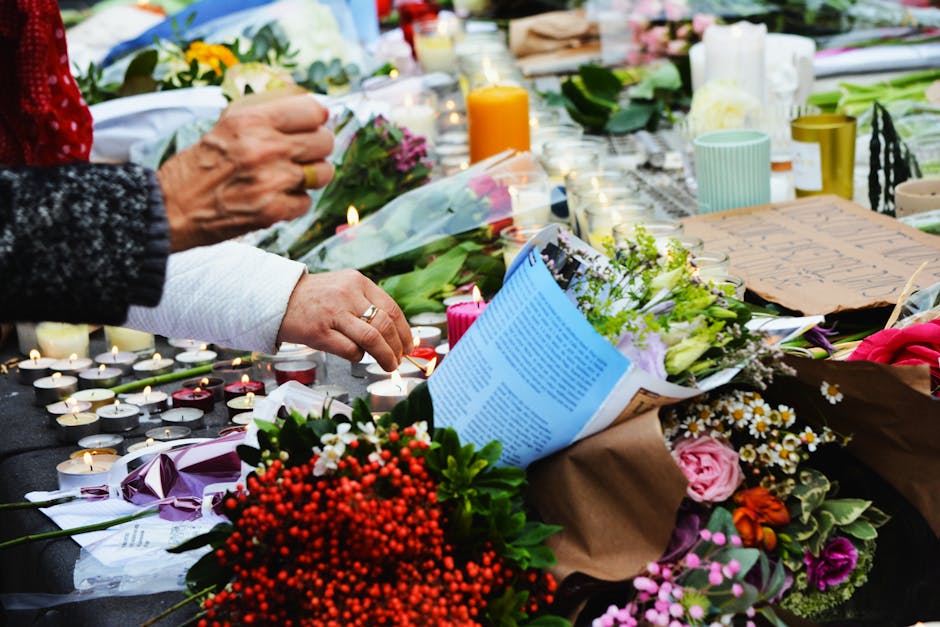
- Using glass containers or candles. They may look beautiful, but they are not ideal for a public verge.
- Overcrowding the space. A tribute can lose dignity when it spills across a pavement or starts to resemble a shelf display.
- Leaving wilted or broken flowers too long. A fading memorial can become distressing rather than comforting.
- Assuming a small memorial can stay forever. Public spaces are maintained, and things do move.
- Ignoring local conditions. A sheltered lane and a windy junction are not the same thing at all.
Sometimes people also make the mistake of choosing a bouquet because it is "the nicest one" without thinking about practical shape. A very tall vase arrangement may look lovely indoors but be awkward outside. The same goes for fragile mixed stems or loose decorative extras that fly off in the breeze. Pretty, yes. Practical? Not always.
If you are worried about getting the wrong thing, choose something more contained. It is a bit like choosing shoes for a wet pavement in January. Style matters, but grip matters more.
Tools, Resources and Recommendations
You do not need specialist equipment to leave roadside flowers, but a few simple things can make the tribute safer and easier to manage.
- A sturdy wrapping or box to protect stems on the journey.
- Small plant weights or discreet ties if the arrangement is likely to topple.
- A card with weather-resistant writing so the message does not fade instantly.
- Clean scissors or snips if you need to tidy stems before placing them.
- A cloth or bag for collecting anything that needs to be removed later.
If you are ordering from a florist, look for designs already suited to memorial use. For example, sympathy flowers, wreaths, sprays, and tribute-specific items are usually more stable than casual bouquet styles. For a more personal feel, a named tribute can be especially meaningful, such as a loving memory wreath or a softer arrangement like a cushion tribute.
If the situation is urgent, delivery timing matters just as much as style. A fresh arrangement that arrives on time is usually far better than a beautiful one that is late and limp. No one needs that extra stress.
For general reassurance about service standards, you can also review useful site pages such as delivery information, flower care guidance, and service guarantees. Those pages are not about council rules, of course, but they can help you choose and look after the flowers once they arrive.
Law, Compliance, Standards, or Best Practice
It is worth being careful here. Public roadside memorials sit at the intersection of grief, highway safety, and local authority management. That means the practical approach is usually based on safety, accessibility, and respectful use of public land rather than on a single simple rule that applies to every case.
In general, best practice is to avoid anything that:
- creates a hazard for traffic or pedestrians
- obstructs visibility at junctions or crossings
- interferes with maintenance or cleansing
- uses fragile, sharp, or flammable materials
- becomes litter once it degrades
That is the safe way to think about it. If you are placing flowers on or near public highway land in Harrow, you should assume the memorial may be moved or removed if it creates a problem. That is not necessarily a sign of disrespect. More often, it is a routine safety decision.
Where a tribute is intended to remain in place for a longer period, it is sensible to seek permission or guidance from the relevant local authority team rather than relying on assumption. There may be special considerations for crash locations, memorial trees, or community vigils. And if a tribute relates to a particularly sensitive or dangerous location, a better alternative might be a private memorial space instead.
The key principle is simple: the tribute should honour the person, not create a new public risk. That is the standard worth holding onto.
Options, Methods, or Comparison Table
Different remembrance options suit different situations. Here is a straightforward comparison to help you decide what makes sense.
| Option | Best for | Practical strengths | Main limitations |
|---|---|---|---|
| Small roadside flower bouquet | Short-term, personal tribute | Simple, respectful, easy to place | Can weather quickly and may be removed |
| Wreath or spray | Formal memorials, funerals, and symbolic remembrance | Looks intentional and holds shape well | Can be too large for narrow pavements |
| Cards and notes | Personal messages | Emotionally powerful, low-cost | Can become soggy or blow away |
| Soft toys or keepsakes | Child bereavement or very personal memorials | Comforting and intimate | Not weatherproof; may look cluttered outdoors |
| Private memorial at home or venue | Longer-term remembrance | No public safety concerns, more control | Less visible to the community |
For most people, the "best" choice depends on where the tribute will sit and how long it needs to last. If it is truly roadside, keep it modest. If it is meant to last, consider moving the memorial into a more controlled setting. That is usually the calmest solution, even if it feels less immediate at first.
Case Study or Real-World Example
Here is a realistic example based on the kind of situation people in Harrow often face.
A family wants to leave flowers near the site of a fatal accident late in the evening. The road is busy, the verge is narrow, and there is a crossing nearby. They start by planning a large display with candles, photos, and several wrapped bouquets. In the moment, it feels right. But once they check the space in daylight, it is clear the display would block a pedestrian route and sit too close to the kerb.
So they scale it back. They choose a compact white bouquet, a short note, and one sturdy card placed safely away from foot traffic. A relative photographs the tribute for the family record. A few days later, when the flowers start to fade, they are moved to a private remembrance space at home, where they can stay as long as the family wishes.
What worked here was not the size of the tribute. It was the thought behind it. By keeping it small and safe, the family preserved the meaning without creating fresh stress or inviting a removal notice. That is often the sweet spot, if there is such a thing.
In similar cases, people sometimes choose a tribute-style arrangement rather than a general bouquet. A more structured option such as a memorial spray or a compact design like a sympathy posy tends to hold together better outdoors. Not always necessary, but often sensible.
Practical Checklist
Use this checklist before placing flowers or tributes at a roadside location in Harrow.
- Have I checked that the spot is safe for pedestrians and traffic?
- Is the arrangement small enough not to block access or visibility?
- Have I avoided candles, glass, sharp objects, and anything breakable?
- Will the flowers hold up reasonably well in wind or rain?
- Is there a clear plan for removal or relocation later?
- Does the message feel respectful and appropriate to the setting?
- Have I chosen a tribute style that suits public outdoor conditions?
- Am I confident the memorial will not become litter if left too long?
If you can tick most of those off, you are probably in a good place. If not, it may be wiser to adjust the tribute before you leave it. Small changes can make a big difference.
And honestly, sometimes the best memorial is the one that is quietly well judged. Not flashy. Just right.
Get a free quote today and see how much you can save.
Conclusion
Harrow Council rules for roadside flowers and tributes explained come down to a simple principle: grief deserves respect, but public safety matters too. A roadside memorial can be moving, dignified, and genuinely comforting when it is small, stable, and thoughtfully placed. If it is too large, fragile, or risky, it can quickly become a problem for the very space it is meant to honour.
The safest approach is usually the most considerate one. Keep the tribute tidy, choose weather-aware flowers, avoid hazardous items, and think ahead about how long it should remain. If the memorial needs to last longer, consider a private or formal remembrance option rather than relying on a roadside spot alone.
In the end, a good tribute does not need to be complicated. It just needs to feel sincere, safe, and fitting. That's enough. More than enough, really.
And if you are still unsure, take a breath, step back, and choose the gentlest option that also makes practical sense. That little bit of care goes a long way.
Frequently Asked Questions
Are roadside flowers allowed in Harrow?
They may be tolerated in some situations, especially when they are small, temporary, and do not create a hazard. The important part is that they must not block visibility, access, or routine maintenance.
Can I leave candles with roadside tributes?
It is usually safer to avoid candles at a roadside memorial. They can be a fire risk, can blow over, and may not be suitable for public highway land.
How long can roadside flowers stay there?
There is no one simple answer that fits every location. In practice, short-term tributes are more likely to be tolerated, while anything left too long may be removed if it becomes unsafe or untidy.
Will Harrow Council remove flowers left at the roadside?
They may remove items if they are unsafe, obstructive, or no longer suitable to remain in a public place. That is usually about maintaining the road rather than dismissing the tribute itself.
What flowers are best for a roadside memorial?
Hardier, compact arrangements usually work better outdoors. White, soft-toned, or mixed tributes often feel appropriate, but the main thing is stability and suitability for weather exposure.
Can I put a photo or keepsake at the crash site?
You can, but it is best to be cautious. Items made of glass, paper, or lightweight materials may not last well and can become litter. Small, secure items are usually safer.
Do I need permission for a larger memorial?
For anything more substantial or longer term, it is sensible to seek guidance. Larger displays are more likely to need agreement because they affect a shared public space.
What should I do if a tribute is moved?
If possible, collect any remaining items and decide on a private place for them. Many families transfer flowers and notes to a home memorial or another meaningful location.
Are wreaths better than bouquets for roadside tributes?
Often, yes, if the tribute needs more structure and stability. Wreaths and sprays can hold together better outdoors, though they still need to be placed safely.
Can I send flowers instead of leaving them at the roadside?
Absolutely. In many cases, sending flowers to a home, funeral, or memorial venue is the more practical and respectful option, especially if the roadside location is busy or unsafe.
What is the most respectful thing to do if I am unsure?
Choose the smallest safe tribute you can, or move the remembrance to a private setting. If you are still uncertain, a florist or local authority guidance can help you make a sensible decision.
Is there a difference between a roadside tribute and funeral flowers?
Yes. Funeral flowers are usually designed for a formal service or memorial setting, while roadside tributes need to cope with weather, public access, and highway safety concerns.