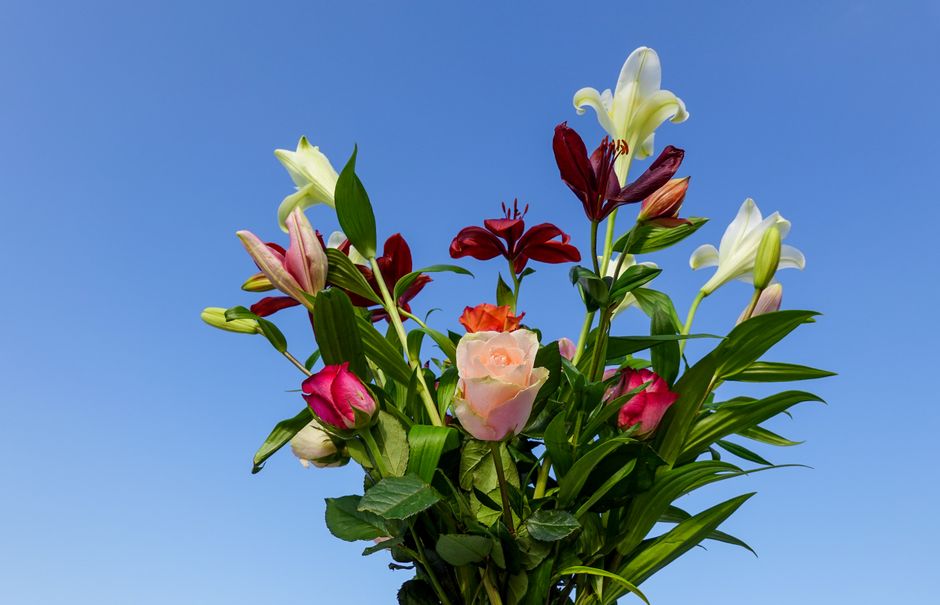
Eco flower recycling scheme in Harrow on the Hill explained
Posted on 20/10/2026
If you have ever looked at a lovely bouquet a few days after delivery and thought, "Such a shame this has to go straight in the bin," you are not alone. The idea behind an Eco flower recycling scheme in Harrow on the Hill explained is simple enough, but the practical side is where people usually need help. What happens to the flowers? Who sorts them? Can anything useful be done with the stems, petals, and packaging once the blooms fade?
This guide breaks it all down in clear, local, real-world terms. We will look at how a flower recycling approach works, why it matters in a place like Harrow on the Hill, what to do with leftovers after an event or delivery, and how to make choices that are kinder to the environment without making life complicated. Truth be told, it is one of those ideas that sounds niche until you realise how often people throw away decent organic material that could have taken a better route.
We will also cover the practical bits people often skip: what is realistically recyclable, what still needs to go in general waste, where mistakes creep in, and how businesses and households can build better habits around floral waste. Nothing fluffy for the sake of it. Just the useful stuff.
Table of Contents
- Why the scheme matters locally
- How the recycling process works
- Benefits for homes, events, and businesses
- Who should use it and when
- Step-by-step guidance
- Expert tips for better results
- Common mistakes to avoid
- Tools, resources and recommendations
- Law, compliance, standards, and best practice
- Options and comparison
- Real-world example
- Practical checklist
- Conclusion
- Frequently asked questions
Why Eco flower recycling scheme in Harrow on the Hill explained Matters
Harrow on the Hill has a mix of homes, local businesses, places of worship, community spaces, and event venues. That matters because flowers are used everywhere here: celebrations, memorials, shop displays, corporate receptions, weddings, school events, and the kind of spontaneous "I picked these up on the way home" moments that brighten a rainy week. Once the flowers fade, the waste can build up surprisingly fast.
An eco flower recycling scheme helps redirect that material in a more thoughtful way. Instead of treating everything as rubbish, the aim is to separate what can be composted, reused, repurposed, or disposed of more responsibly. That may sound like a small shift. It is small, yes, but the ripple effect is real. Better sorting usually means less contamination, cleaner waste streams, and fewer perfectly natural materials being locked away in landfill for no good reason.
In a local area like Harrow on the Hill, there is also a community-minded angle. People notice how businesses behave. They notice whether packaging is stripped back, whether old arrangements are handled sensibly, whether a florist or event organiser makes a visible effort. It builds trust. And let's face it, customers are increasingly alert to greenwashing. They can smell a vague sustainability claim a mile off.
There is another benefit too: education. Once you understand how flower waste can be handled, you start noticing waste patterns elsewhere. Wrapping, ribbon, foam, plastic water picks, cardboard sleeves, broken vases - the little bits matter. A scheme is not just about flowers themselves. It is about teaching better habits around the whole life cycle of a floral order or display.
Key takeaway: eco flower recycling is less about perfection and more about reducing avoidable waste, improving sorting, and handling floral materials with a bit more care than the default throwaway approach.
For readers who also want to make their everyday floral choices more thoughtful, it can help to browse the wider sustainability approach alongside local delivery and product information. That gives a fuller picture of how greener choices fit into normal ordering habits.
How Eco flower recycling scheme in Harrow on the Hill explained Works
At its core, the scheme works by separating flower-related waste into sensible categories. The details can vary depending on the organiser, florist, venue, or household setup, but the logic is usually the same: keep organic material clean, keep non-organic contamination out, and send each part to the right place.
1. Flowers are sorted after use
Once a bouquet, display, or tribute has reached the end of its life, the first step is sorting. Fresh flowers, stems, leaves, and some natural filler material may be suitable for composting or organic collection. Non-organic items such as cellophane, ribbons, plastic wraps, wire, and foam need separate handling. It is a bit fiddly, to be fair, but doing that front-end sorting makes the rest easier.
2. Usable blooms may be repurposed
Some flowers are still in decent condition even after an event. A few stems from a wedding centrepiece, for example, may be moved to a reception desk, a side room, or a smaller arrangement. In some cases, petals can be used for decorative scattering where appropriate. Not everything is suitable, naturally. Wilted, damaged, or unsanitary materials should not be reused.
3. Organic material is directed toward composting
Flowers are biodegradable. That is the big advantage. When handled properly, stems and petals can break down into compostable material rather than becoming mixed waste. The key is keeping contamination low. A compost stream full of plastic tags, glitter, and florist foam is not much use to anyone, and it can cause the whole batch to be rejected.
4. Packaging is separated carefully
Modern floral packaging can be a mixed bag. Cardboard sleeves may be recyclable if clean and dry. Plastic wraps and taped bundles often need different treatment. Vases, jars, and reusable containers can sometimes be washed and used again. A sensible scheme works best when packaging is not an afterthought. It is part of the system, not a side issue.
5. Final disposal happens only for the remainder
There will always be some residue that cannot be repurposed. That is normal. A proper eco flower recycling approach does not pretend everything can be saved. It simply pushes more of the total waste away from general rubbish and towards better outcomes where possible.
For deliveries that arrive on a tight timetable, options such as same-day flower delivery in Harrow on the Hill or next-day delivery can still fit neatly into a greener mindset if the packaging and disposal side is handled properly.
Key Benefits and Practical Advantages
People often assume eco schemes are mainly about being "nice to the planet," which is fair but a bit too vague. The real advantages are more practical than that.
- Less waste going to general rubbish: Organic flower material is managed more appropriately.
- Cleaner venues and workspaces: Event breakdown becomes tidier when waste is sorted at source.
- Better presentation for businesses: A florist, hotel, or office that manages waste thoughtfully looks more considered.
- Lower contamination risk: Separate handling means recyclable and compostable material is less likely to be ruined.
- More value from arrangements: Some flowers can be repurposed, extending their visual life a little longer.
- Useful for sustainability reporting: Businesses can talk honestly about waste reduction practices without overstating the case.
There is also a quieter benefit that does not get mentioned enough: it changes behaviour. Once someone sees how much packaging comes with a standard bouquet, or how fast a display creates mixed waste, they start asking better questions at purchase stage. Do we really need foam? Can the wrap be reduced? Could the flowers be chosen for longer vase life? Small questions, yes. But they add up.
For people choosing flowers with longer enjoyment in mind, a reliable flower care guide can make a visible difference. Longer vase life means less waste, which is really the whole point here.
Who This Is For and When It Makes Sense
This kind of scheme is not only for large organisations with a recycling policy in a drawer somewhere. It makes sense for lots of people in Harrow on the Hill, and the use case can be surprisingly ordinary.
Households
If you receive flowers regularly, host gatherings, or like to keep the house looking fresh, you will eventually face the "what now?" moment when blooms fade. A better recycling habit helps, especially if you are trying to cut down on mixed waste.
Florists and flower shops
Flower businesses generate offcuts, damaged stems, packaging waste, and unsold stock. A sensible recycling approach can improve back-of-house tidiness and strengthen the shop's sustainability story. If you work in or around a florist in Harrow on the Hill, this is not just a nice extra; it can become part of how the business operates day to day.
Event planners and venues
Weddings, funerals, anniversaries, corporate events, and community functions all produce floral waste in bursts. That burst is exactly where people run into trouble. The room is lovely at 2 p.m.; by 10 p.m. it is full of spent arrangements, tape, damp paper, and a slightly chaotic mood. A plan beforehand saves headaches later.
Offices and commercial buildings
Reception arrangements and lobby displays often get overlooked. Someone changes them, but nobody quite knows who deals with the aftermath. If you manage a commercial setting, a simple collection routine avoids that awkward "whose job is this?" moment.
People arranging memorial flowers
With tributes and sympathy arrangements, sensitivity matters. Some items are kept, some shared, some composted, and some respectfully disposed of. In these cases, the best approach is practical and gentle, not rigid. The goal is care, not fuss.
For memorial and condolence flowers, it can be useful to review options from the wider range of funeral flower delivery and related sympathy flowers so that the original choice already matches the tone and usage you need.
Step-by-Step Guidance
If you want to use an eco flower recycling scheme properly, do it in a simple sequence. No need to overcomplicate it. The cleaner the process, the more likely you are to stick with it.
- Identify the flower waste type. Decide whether you are dealing with fresh blooms, a full arrangement, event leftovers, memorial tributes, or packaging only.
- Remove non-organic materials first. Pull off cellophane, plastic ties, tape, foam, tags, and wire wherever possible.
- Check for reusable items. Vases, jars, buckets, floral stands, and some containers can often be cleaned and used again.
- Set aside clean organic material. Separate stems, petals, leaves, and compostable paper from contaminated waste.
- Keep food, liquids, and general rubbish away from the organic pile. Once mixed, everything becomes harder to process. The bin gets messy too. Nobody enjoys that.
- Choose the right route. Compost at home if suitable, use an approved organic collection stream if available, or dispose of what cannot be recycled responsibly.
- Record what is being wasted. For businesses, even a rough note of recurring waste types helps improve future purchasing.
- Adjust the next order or arrangement. If certain packaging or flower types create too much waste, change them next time.
A useful habit is to pause before the flowers are thrown out and ask one question: what part of this arrangement still has a second life? Sometimes the answer is "not much." Fine. Other times, it is "quite a lot," and that is where the value is.
If you order often, choosing the right delivery channel can also help reduce unnecessary packaging changes. Browse the general flower delivery in Harrow on the Hill options alongside the eco side of the process, rather than treating them as separate decisions.
Expert Tips for Better Results
In our experience, the difference between a decent recycling habit and a genuinely useful one often comes down to the small details.
Choose longer-lasting flowers where possible
Some flowers naturally last longer in a vase than others. If your goal is to reduce waste, longevity matters. A bouquet that stays fresh an extra few days gives you more enjoyment and less disposal pressure. A small thing, but it helps.
Keep packaging simple
The cleaner the packaging, the easier it is to separate. Minimal wraps, reusable ribbons, and simple card tags are far easier to manage than mixed-material bundles. If you are placing an order, ask whether packaging can be kept to a sensible minimum.
Plan for the end before the flowers arrive
This sounds slightly odd, but it works. If you already know how you will handle stems, containers, and wrapping, the end of the flowers' life becomes a quick routine rather than a messy afterthought.
Use different bins or tubs for sorting
One container for organic waste, one for recyclables, one for general waste. That is not glamorous. It is, however, effective. If a venue or business handles regular flowers, labelling containers clearly saves a lot of confusion.
Train staff or household members briefly
You do not need a long workshop. Just a quick explanation works: what goes where, what stays out, and why the extra minute of sorting matters.
Be realistic about what can be saved
Not every bouquet is worth rescuing. If blooms are heavily wilted or contaminated, composting or responsible disposal may be the best option. Sustainability is not about forcing every stem through a process it was never meant for.
A slightly humorous but true point: the most eco-friendly bouquet is not the one with the deepest moral ambition. It is the one that is ordered, cared for, and disposed of sensibly without drama.
Common Mistakes to Avoid
A lot of good intentions get undone by simple mistakes. The good news is that these are easy to avoid once you know what to look for.
- Putting everything in one bin. Mixed waste ruins otherwise recyclable or compostable material.
- Leaving plastic wrap attached to stems. It is one of the most common errors and one of the easiest to fix.
- Forgetting about florist foam. Foam is not compostable and should be handled separately.
- Ignoring damp cardboard. Wet cardboard often performs badly in recycling streams, so keep it dry where possible.
- Trying to reuse flowers for too long. Once blooms have passed their best, they can become messy and unhygienic.
- Assuming all "eco" packaging is recyclable. Labels can be misleading. Check what is actually used, not just what it is called.
- Failing to brief staff or guests. In event spaces especially, people need to know what to do. Otherwise they guess. And people guess badly under pressure.
Another one to watch: over-ordering. It sounds harmless at the time, but excess flowers create excess waste. If you are planning an event, order for the display you actually need, not the one you wish you had in a perfect Pinterest version of the world.
Tools, Resources and Recommendations
You do not need fancy equipment to run a better flower recycling routine. A few basic tools make the process much smoother.
- Clearly labelled bins: Helpful for separating organic waste, plastics, and general rubbish.
- Reusable tubs or crates: Good for holding stems, transport waste, or cleaned containers.
- Sharp scissors or floral snips: Useful for trimming stems and removing string or tape.
- Compost caddy or garden compost area: Handy for suitable organic material if you compost at home.
- Cleaning cloths and warm water: For washing reusable vases and jars.
- Inventory note sheet or simple checklist: Especially useful for businesses that want to track waste patterns.
For customers, a simple way to support lower-waste ordering is to choose flowers thoughtfully in the first place. The site's product ranges can help with that, whether you are looking for something seasonal, budget-conscious, or a bit more luxurious. Pages like best flower delivery in Harrow on the Hill, cheap flowers, and best sellers are useful if you want to compare options before buying.
If you are sending flowers for a birthday, look at birthday flowers. If it is something more formal or heartfelt, a page like thinking of you or thank you can help you choose something fitting without over-ordering.
Law, Compliance, Standards, or Best Practice
For a topic like flower recycling, the main thing to be careful about is not overstating legal claims. There is no magic rule that makes every stem recyclable, and compliance usually depends on how a business stores, separates, and disposes of waste rather than on the flowers themselves.
In the UK, businesses are generally expected to manage waste responsibly, keep recyclable streams clean where possible, and avoid contamination. That means the practical side matters: clear separation, sensible storage, and working with waste routes that can actually accept the materials being produced. If you are a florist, venue manager, or event organiser, it is worth building a simple written routine for staff. Nothing grand. Just enough so people know what to do when the flowers come down.
For households, the same common-sense principle applies. Compost what you can if it is suitable, recycle clean packaging where allowed, and put unavoidable residual waste in the correct bin. The best practice is straightforward:
- keep organics separate from plastics and foam;
- avoid contaminating recyclable cardboard with moisture or residue;
- store waste safely and hygienically before collection or disposal;
- use clear labels for staff and volunteers;
- check local collection requirements before assuming everything can go in the same stream.
If your flowers were part of a memorial or funeral tribute, the practical handling may be more sensitive, but the same general principles apply. Thoughtful separation, respectful timing, and appropriate disposal are the safest path.
Options, Methods, or Comparison Table
There is more than one way to manage floral waste. The right choice depends on volume, setting, and how much effort you can realistically maintain.
| Method | Best for | Advantages | Limitations |
|---|---|---|---|
| Home composting | Households with gardens or compost space | Simple, low-cost, and good for clean organic material | Not suitable for contaminated waste or mixed materials |
| Reuse and repurposing | Events, offices, and homes with still-fresh flowers | Extends flower life and reduces waste quickly | Only works while blooms are still in decent condition |
| Separate collection or organic waste stream | Businesses and venues with steady waste volumes | Improves sorting and can support more structured disposal | Needs a reliable process and staff awareness |
| General waste | Contaminated or non-recoverable material | Simple fallback when other routes are unsuitable | Least sustainable option; should be the last resort |
For many readers, the best option is a mix of methods. A bouquet might be enjoyed at home, then repurposed into smaller vases, then composted once it is done. That blended approach is often more realistic than a rigid one-size-fits-all rule.
Case Study or Real-World Example
Picture a small local event in Harrow on the Hill on a damp Friday evening. There are table arrangements, a welcome display near the entrance, and a few bouquets left after guests head home. Nothing huge, but enough to create a proper cleanup job.
Without a recycling plan, the flowers, wrapping, ribbon, and broken-down cardboard probably all end up in one large bag. By the next morning, it is a mixed mess. The flowers are crushed, the paper is soggy, and anything recyclable has been contaminated.
Now imagine the organiser had set up three simple tubs in advance: one for clean organic stems and petals, one for containers and reusable items, one for general rubbish. The freshest stems are moved to a small reception vase or taken home by guests. The rest are stripped of packaging and separated cleanly. The cardboard sleeves stay dry. The plastic wrap is removed before anything gets damp. In about the same amount of time, the waste outcome is better and the cleanup feels less chaotic.
That is the real point of an eco flower recycling scheme. Not perfection. Just a much better process, one small decision at a time. And yes, it does feel good when the room is tidy again and the bins are not an embarrassment.
Practical Checklist
Use this quick checklist whenever you are handling floral waste in Harrow on the Hill:
- Have I separated flowers from plastic, wire, tape, and foam?
- Can any clean stems, blooms, or containers be reused?
- Is the organic waste free from food scraps or general rubbish?
- Are cardboard sleeves dry and suitable for recycling where accepted?
- Have I labelled bins clearly for anyone helping with cleanup?
- Do I know which items must go in general waste?
- Have I avoided over-ordering flowers for the next event or delivery?
- Are reusable vases and containers being cleaned for future use?
- Do staff or household members know the sorting routine?
- Have I chosen flower options that suit the occasion and reduce avoidable waste?
If you can tick most of those boxes, you are already doing better than the average throw-it-all-away approach. That is worth something.
Conclusion
The eco flower recycling scheme in Harrow on the Hill is really about making flower use more thoughtful from start to finish. Buy with a little more care. Display and enjoy the flowers fully. Then sort the waste properly so as much as possible gets a better end than the standard bin. It is practical, it is manageable, and it fits nicely with the way local homes and businesses already think about quality and presentation.
The good news? You do not need to overhaul everything at once. Start with one habit: separate packaging from flowers. Then build from there. Once you get into the rhythm, it stops feeling like extra work and starts feeling like common sense.
Get a free quote today and see how much you can save.
And if you are doing this well already, keep going. Small improvements have a habit of becoming normal, and that is often how genuinely useful change starts.
Frequently Asked Questions
What is an eco flower recycling scheme in Harrow on the Hill?
It is a practical approach to handling flower waste more responsibly by separating organic material, reusable items, and non-recyclable packaging instead of throwing everything into one bin.
Can all flower waste be composted?
No. Fresh stems and petals may be suitable in some cases, but plastic wrap, florist foam, tape, and contaminated materials usually are not. The key is sorting first and being realistic about what can go where.
Is flower wrapping recyclable?
Sometimes, but not always. Clean cardboard may be recyclable, while mixed plastic wraps or heavily contaminated paper often are not. It depends on the exact material and local collection rules.
How can I reduce waste when ordering flowers?
Choose longer-lasting arrangements, ask for simpler packaging, avoid unnecessary extras, and pick flowers that suit the occasion so nothing is over-ordered. A little restraint goes a long way, honestly.
What should businesses do with old floral displays?
They should separate reusable containers, remove non-organic packaging, and direct clean organic waste to the right disposal route. A basic staff routine makes this much easier to manage.
Can funeral flowers be recycled or reused?
Sometimes. Some blooms or containers may be repurposed, but memorial items often need handling with extra care and sensitivity. Respectful disposal is just as important as recycling.
Are potted plants treated the same as cut flowers?
Not exactly. Potted plants may be reused, gifted, or maintained longer, while cut flowers are usually handled as short-life organic waste once they fade.
What is the biggest mistake people make with floral waste?
The most common mistake is mixing everything together. Once flowers, plastic, tape, and damp cardboard are combined, the recycling or composting options become much more limited.
Do I need special equipment to recycle flowers properly?
Usually not. A few labelled bins, scissors, reusable containers, and a simple sorting habit are often enough for households or small businesses.
How do I know if a flower order is genuinely more sustainable?
Look at the full picture: packaging, longevity, transport, reuse options, and waste handling. A sustainable flower order is not just about the bouquet itself; it is about the whole journey.
Is it worth recycling flowers from a small household bouquet?
Yes, especially if you want to build better habits. Even small amounts of waste are worth sorting properly, and once the routine is in place, it becomes second nature.
Where should I start if I want a simpler, greener flower routine?
Start with one change: separate flowers from packaging. Then add reuse and composting where appropriate. Keep it simple at first. That is usually what makes it stick.