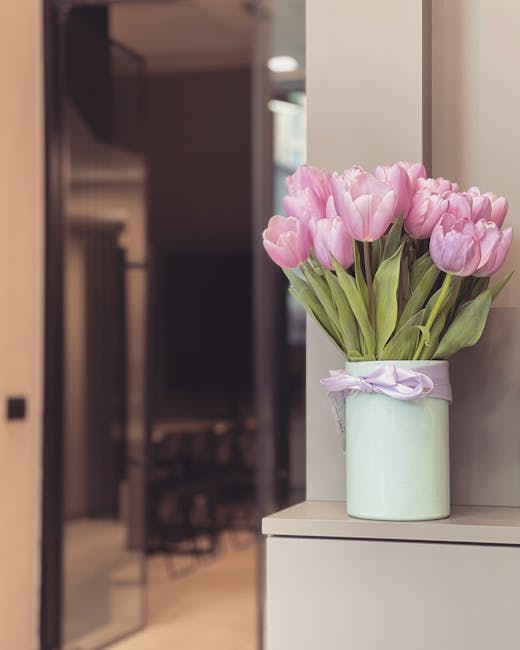
Corporate flowers for Harrow businesses subscription options
Posted on 03/10/2026
Fresh flowers do more than sit nicely on a reception desk. In a Harrow office, clinic, salon, showroom, co-working space, or hospitality venue, they quietly change the feel of a room the moment someone walks in. That first impression matters, and so does consistency. This guide to Corporate flowers for Harrow businesses subscription options explains how subscriptions work, what to look for, and how to choose a plan that fits your space, your budget, and the way your team actually works.
If you have ever noticed how a simple vase can make a lobby feel calmer, more polished, and just a bit more cared for, you already understand the idea. The trick is making that happen every week, or every fortnight, without adding another task to your already long list. That is where a corporate flower subscription comes in. Let's get into the practical side of it.
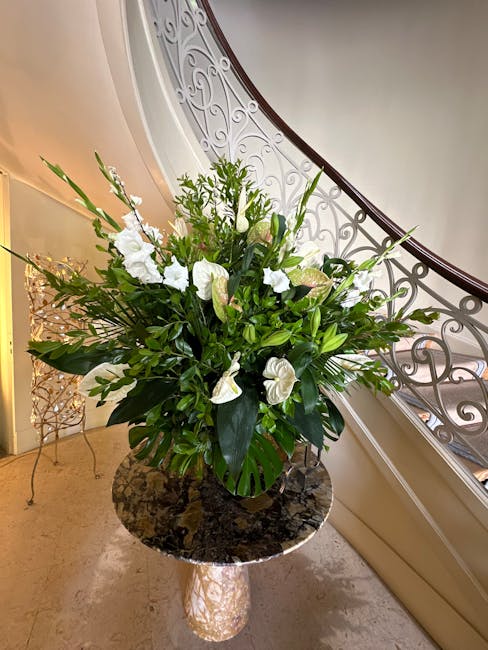
Table of Contents
- Why Corporate flowers for Harrow businesses subscription options Matters
- How Corporate flowers for Harrow businesses subscription options Works
- Key Benefits and Practical Advantages
- Who This Is For and When It Makes Sense
- Step-by-Step Guidance
- Expert Tips for Better Results
- Common Mistakes to Avoid
- Tools, Resources and Recommendations
- Law, Compliance, Standards, or Best Practice
- Options, Methods, or Comparison Table
- Case Study or Real-World Example
- Practical Checklist
- Conclusion
- Frequently Asked Questions
Why Corporate flowers for Harrow businesses subscription options Matters
Corporate flowers are one of those details people notice without always consciously noticing them. The arrangement is there, the room feels fresher, and somehow the whole place seems more organised. In business settings, that matters because your environment is part of your brand. A tidy space with thoughtful floral displays can support how clients feel, how staff feel, and how confident your business appears.
For Harrow businesses, this is especially relevant because many workplaces here serve a mix of local customers, commuters, professionals, and visitors. That means your front-of-house area may need to feel welcoming at 9 a.m., presentable at lunch, and still polished at the end of the day. A reliable subscription keeps that standard in place without you having to remember to order flowers every week. To be fair, that alone is a big win.
Subscriptions also help businesses avoid the stop-start pattern that often happens with one-off flower orders. A reception looks great for one week, then empty the next. Then someone remembers on a Friday afternoon. Then rush fees. Then a slightly apologetic email. It happens. A subscription smooths all that out and turns flowers into a simple part of your routine.
Expert summary: If your Harrow business values consistency, presentation, and a calm, welcoming atmosphere, a flower subscription is usually more effective than occasional one-off orders. The best plans are flexible, easy to manage, and tailored to the size and rhythm of your space.
How Corporate flowers for Harrow businesses subscription options Works
A corporate flower subscription is a recurring service where flowers are delivered and refreshed on a set schedule. That schedule might be weekly, fortnightly, or monthly depending on how busy your space is, how quickly flowers are used, and how much impact you want to create. Most businesses choose a plan based on a few basic factors: delivery frequency, arrangement size, style, colour palette, and budget.
In practical terms, you choose the look and service level once, then the florist handles the ongoing delivery. Some subscriptions are highly curated, while others give you more choice on the season, colours, or arrangement style. For a reception area, you might want a neat, low-profile arrangement that looks good from every angle. For a boardroom, you may prefer something taller or more structured. For a restaurant or boutique, the flowers may need to complement interiors rather than dominate them. Small differences, but they matter.
There is usually some room to adjust the plan after a few deliveries. That is helpful, because a flower scheme that looks lovely in theory can sometimes be too tall for a desk, too pale for a dark room, or too big for the space available. You learn quickly what works once it's in place. That is one of the nicest parts of subscription flowers: they are not static.
If you are comparing service levels, it can help to think in terms of workflow. Does your team want flowers delivered and set up with minimal involvement? Do you need an invoice account for easier admin? Will the same arrangement be acceptable each time, or do you want seasonal variation? Those questions shape the right plan more than the flowers themselves, if I'm honest.
Key Benefits and Practical Advantages
The obvious benefit is appearance, but the real value goes further. A good subscription should make life easier, not just prettier. Here is where the practical advantages show up.
- Consistent presentation: The space always looks ready for clients, meetings, and visitors.
- Less admin: You set the plan once and avoid repeated ordering.
- Better budgeting: Regular billing is often easier to manage than unpredictable one-off purchases.
- Seasonal freshness: Rotating stems and designs stop the decor from feeling stale.
- Brand support: Flowers can subtly reinforce your company's style, whether that is modern, classic, luxurious, or understated.
- Staff morale: People do notice a thoughtful workplace. It creates a sense of care.
- Flexible use: Subscriptions can suit receptions, meeting rooms, waiting areas, showrooms, and hospitality counters.
There is also a subtler benefit: flowers can help a room feel less clinical and more human. That matters in offices, but it matters even more in customer-facing environments where people may already feel a little tense, rushed, or unsure. A calm space can ease the mood before a conversation even begins.
For some businesses, the benefit is linked to customer confidence. For others, it is internal culture. For many, it is both. The best subscriptions support the atmosphere you want without becoming a chore.
Who This Is For and When It Makes Sense
Corporate flower subscriptions are not just for big offices with a large reception desk. In Harrow, they can work for a surprisingly wide mix of businesses:
- Professional offices and consulting firms
- Medical, wellness, and beauty practices
- Estate agents and property offices
- Restaurants, cafes, and boutique hospitality venues
- Showrooms and retail spaces
- Co-working spaces and serviced offices
- Event venues and private member-style spaces
They make sense when your business regularly sees clients or visitors and wants to create a polished impression without relying on staff to remember flower runs. They also make sense if your venue feels a little flat and could use warmth, colour, or seasonal change.
Not every business needs a large display. Sometimes the right answer is a compact arrangement on a reception counter and one matching vase in a meeting room. Sometimes it is a series of smaller arrangements spread across a larger open-plan space. The point is not volume for its own sake. The point is fit.
Truth be told, the biggest sign that a subscription will help is when flowers are treated as a nice extra rather than a managed part of the customer experience. Once you see them that way, the logic becomes obvious.
Step-by-Step Guidance
Choosing a corporate flower subscription is much easier when you break it into clear steps. Here is the practical path most businesses should follow.
- Assess the space. Look at the size of your reception, meeting rooms, counters, or communal areas. Measure where flowers will sit and think about sightlines.
- Decide the purpose. Are the flowers there to welcome clients, support branding, brighten staff areas, or all three?
- Set a realistic budget. Choose a number you can sustain comfortably over time. Consistency is more useful than overspending for two months and then stopping.
- Select delivery frequency. Weekly works well for high-traffic spaces. Fortnightly or monthly may suit quieter areas.
- Choose style preferences. Decide whether you want classic, modern, seasonal, neutral, colourful, or luxury arrangements.
- Ask about flexibility. Good subscriptions should allow for changes if your schedule, occupancy, or venue layout changes.
- Confirm practical details. Delivery windows, setup, vase return, billing, and who receives the flowers all matter.
- Review after the first few cycles. Check if the size, longevity, and styling are right. Adjust if needed.
If you are handling this for a busy office, keep the process simple. One point of contact. One budget owner. One agreed delivery slot. That reduces the tiny errors that can make recurring services feel messy. And, frankly, nobody needs one more "where did the flowers go?" moment on a Tuesday morning.
Expert Tips for Better Results
Over time, a few practical habits make a noticeable difference to the look and longevity of corporate flowers. These are the kinds of details that separate a decent subscription from one that feels really well thought through.
Match the arrangement to the room, not just the budget. A large arrangement in a small reception can look crowded. A tiny vase in a large lobby can disappear. Scale matters more than people expect.
Use colour with intention. Neutral schemes feel calm and professional. Brighter colours can energise a creative or customer-facing space. If your brand already uses a strong palette, flowers can echo that without becoming too obvious.
Ask for vase and container choices that suit your furniture. Glossy white, clear glass, ceramic, or low bowls all create different effects. A polished marble desk and a heavy stone vase may work beautifully together. Or not. You need to see it in context.
Consider scent carefully. In enclosed meeting rooms or healthcare-style settings, lightly scented or low-scent flowers may be a better fit. Strong fragrance can be distracting, and in some workplaces it is simply not welcome.
Think about sightlines at human height. No one wants to peer over a wall of blooms during a conversation. Keep arrangements low where people need to face each other across a desk.
Use seasonal variation to avoid visual fatigue. Even beautiful flowers can start to feel repetitive if every delivery looks identical. A little shift in shape or colour keeps the space feeling cared for.
One of the simplest wins is this: ask the florist what lasts well in offices. Busy indoor spaces, heating, air conditioning, doors opening all day - flowers have to work a bit harder there than they do on a quiet dining table at home.
Common Mistakes to Avoid
Most subscription problems come down to poor planning rather than poor flowers. The good news? They are easy enough to avoid once you know what to watch for.
- Choosing by price alone: Cheap can be fine if the quality and service are reliable, but the cheapest option is not always good value.
- Ignoring the room layout: A beautiful arrangement that blocks the reception bell or meeting table is not a win.
- Forgetting maintenance: Even subscription flowers need water changes, tidy placement, and occasional stem trimming.
- Picking a style that clashes with the brand: Very rustic flowers may feel out of place in a sleek corporate office, and vice versa.
- Not checking delivery access: Shared entrances, security desks, restricted hours, and parking can all affect service.
- Leaving no room for feedback: If the first delivery is slightly off, say so early. Most good services will adjust.
Another mistake is assuming one subscription suits every space in the business. Maybe the reception needs monthly statement flowers while the boardroom only needs arrangements before key meetings. That hybrid approach can work very well. It is not all-or-nothing.
And this sounds minor, but it matters: keep a note of what the team actually likes. People will tell you if lilies feel too strong or if they prefer mixed colours over single-tone arrangements. You don't need a survey. Just listen.
Tools, Resources and Recommendations
You do not need complicated tools to manage a flower subscription well, but a few simple resources help keep things organised.
- Room photos: Take a couple of quick pictures of the space from different angles. They help with sizing and style decisions.
- Basic measurements: Counter width, table depth, and vase height are useful starting points.
- Brand notes: If your business has core colours or a design style, keep them in a short reference note.
- Delivery calendar: A shared calendar reminder helps staff know when flowers are due.
- Feedback log: A simple note on what worked, what didn't, and which flowers lasted best can save time later.
For a wider view of what the service can cover, you can also browse corporate accounts and compare how regular business ordering is structured. If you are still shaping the look of your displays, a quiet look through luxury flowers can help you understand the visual standard some companies prefer.
If your workplace also needs flowers for special moments, it can be useful to compare subscriptions with one-off seasonal options such as florist choice or more tailored workplace-friendly styles like flowers in a vase. That way you can separate regular office flowers from occasional event pieces. Clean and simple.
Law, Compliance, Standards, or Best Practice
For most businesses, corporate flower subscriptions are a straightforward service rather than a heavily regulated one. Even so, a few practical best practices are worth keeping in mind.
First, make sure your delivery arrangements work with your workplace policies. That may include visitor sign-in procedures, access restrictions, reception hours, or building management rules. In shared office buildings across Harrow, access windows can be tighter than people expect. A good florist should be able to work around that.
Second, consider workplace suitability. If your setting includes clients with scent sensitivity, allergy concerns, or a clinical environment, choose arrangements carefully and keep communication open. There is no need to overstate this; just be sensible and considerate.
Third, if you are paying through a business account, check invoice handling, payment terms, and cancellation rules before you start. The best subscription is one your accounts team can actually process without extra fuss. A tidy admin trail saves headaches later.
Finally, if your business has sustainability goals, ask about seasonal sourcing, packaging, and waste reduction. You do not need dramatic claims here. Even small steps, handled consistently, can improve how responsible the service feels. A bit of thought goes a long way.
Options, Methods, or Comparison Table
Not every flower subscription works the same way. The right option depends on how visible the flowers are, how often the space changes, and how much flexibility you need.
| Option | Best for | Advantages | Trade-offs |
|---|---|---|---|
| Weekly subscription | Busy receptions, hospitality, client-facing spaces | Always fresh, strong visual impact, highly consistent | Higher ongoing cost, more frequent delivery handling |
| Fortnightly subscription | Standard offices, meeting rooms, salons | Good balance of freshness and budget, easier admin | May feel less premium in very busy spaces |
| Monthly subscription | Quieter environments, smaller businesses | Lower commitment, easier to budget | Less visual consistency, flowers may not stay suitable as long |
| Seasonal refresh plan | Businesses that want variety | Fresh creative feel, less repetitive | Needs a bit more direction and review |
| Hybrid plan | Mixed-use sites or multiple rooms | Flexible, tailored, cost-efficient | Requires clearer communication and planning |
If you are uncertain, a fortnightly plan is often the easiest middle ground. It usually gives enough freshness for clients while keeping delivery and admin manageable. Then, once you have seen how the space responds, you can move up or down. No drama. Just refinement.
Case Study or Real-World Example
Imagine a small Harrow professional services office with a reception area, one client waiting space, and a meeting room used a few times a week. The team wants the office to feel welcoming without turning flowers into another thing to think about.
They start with a fortnightly subscription. The first few deliveries are medium-sized, neutral-toned arrangements with a clean shape. They sit on the reception counter and are visible from the waiting area without blocking the sign-in desk. After the first month, the team realises the meeting room needs something smaller and lower because the table is used for note-taking and laptops. So the subscription is adjusted. Reception keeps the main arrangement, while the meeting room gets a compact complementary piece on a lighter schedule.
What changed? Not the idea of flowers. Just the fit. And that is the point. A good subscription should be adaptable enough to match real use, not just a glossy image in your head. You can almost hear the space relax when it works properly - quiet, not flashy, but clearly better.
In a hospitality setting, the same principle applies differently. A cafe or restaurant may want flowers that complement table turnover, lighting, and cleaning routines. A florist can usually guide that choice if the brief is clear: what the space feels like, how it is used, and what kind of attention the flowers should attract.
Practical Checklist
Use this checklist before you commit to a corporate flower subscription for your Harrow business.
- Have you measured the main display areas?
- Do you know where the flowers will be placed and who will receive them?
- Is the delivery frequency aligned with how busy the space is?
- Have you set a realistic monthly budget?
- Have you decided whether you want neutral, colourful, seasonal, or luxury styling?
- Do you need low-scent or low-maintenance flowers?
- Have you checked access, security, and delivery timing?
- Does the provider offer flexibility if your needs change?
- Have you reviewed payment terms and invoicing?
- Will someone in the business give feedback after the first delivery cycle?
If you can tick most of those off, you are in a strong position. If not, no problem. Better to sort the basics now than rush into a plan that feels awkward after week two.
One small extra tip: keep a spare vase or backup container on site. It sounds minor, but it is one of those little things that saves hassle when a delivery arrives and the team is busy.
Get a free quote today and see how much you can save.
Conclusion
Corporate flowers for Harrow businesses subscription options are really about creating consistency with less effort. The right plan should make your workplace feel more welcoming, support your brand, and remove the last-minute scramble that comes with one-off orders. When the flowers suit the room, the rhythm of the business, and the people who use the space every day, the effect is quietly powerful.
For many Harrow businesses, that means better first impressions, a calmer atmosphere, and a more polished customer experience. For others, it simply means the office feels nicer to walk into on a grey morning. That counts too. Maybe especially that.
If you take one thing away, let it be this: choose a subscription that fits your space first, and the flowers second. Do that, and the rest tends to fall into place.
Frequently Asked Questions
What are corporate flowers for Harrow businesses subscription options?
They are recurring flower delivery plans designed for workplaces, receptions, hospitality venues, and other business spaces in Harrow. The idea is to keep the setting fresh and professional without placing repeated orders each time.
How often should business flowers be delivered?
It depends on traffic, room temperature, and the impression you want to create. Weekly suits high-traffic or premium spaces, while fortnightly is often a good middle ground for standard offices and meeting areas.
Are flower subscriptions suitable for small businesses?
Yes. Small businesses often benefit a lot because they still want a polished look, but they may not have time to manage flowers manually. A smaller arrangement on a sensible schedule can work very well.
Can I choose the style and colours of the arrangements?
Usually, yes. Many subscriptions allow you to set preferences for colour palette, arrangement style, and even container type. Some also let you request seasonal variation.
What if my office has very little space?
That is common. A good florist can suggest compact, low-profile, or vase-based designs that fit reception counters, side tables, or small meeting rooms without cluttering the space.
Do corporate flower subscriptions need much maintenance?
Not much, but they do need basic care. Fresh water, a tidy container, and the occasional stem trim help flowers last longer and look better. Simple things, really.
Are subscription flowers more cost-effective than one-off orders?
They can be, especially if you value consistency and reduced admin. The real advantage is often budgeting and convenience rather than price alone. Regular service usually makes planning easier.
Can corporate flowers work in client-facing environments like salons or clinics?
Yes, though the arrangement should suit the setting. In more sensitive environments, low-scent and tidy designs are usually the safest choice. The goal is calm, not overwhelm.
What should I ask before setting up a flower subscription?
Ask about delivery frequency, flexibility, vase provision, billing, access requirements, cancellation terms, and whether the style can be adjusted after the first few deliveries.
Can I combine regular subscriptions with occasional event flowers?
Absolutely. Many businesses do this. A regular subscription handles everyday presentation, while special events, launches, or seasonal occasions use separate arrangements for extra impact.
How do I know if the flowers are the right size for my space?
Share measurements, photos, and a quick description of how the area is used. If people need to talk across the table, write, or work on laptops there, lower arrangements are usually better.
What is the best next step if I am unsure which option to choose?
Start with the room and the routine. Think about how the space is used, how often people see it, and how much time you want to spend managing flowers. From there, a florist can usually narrow the choices down quite quickly.